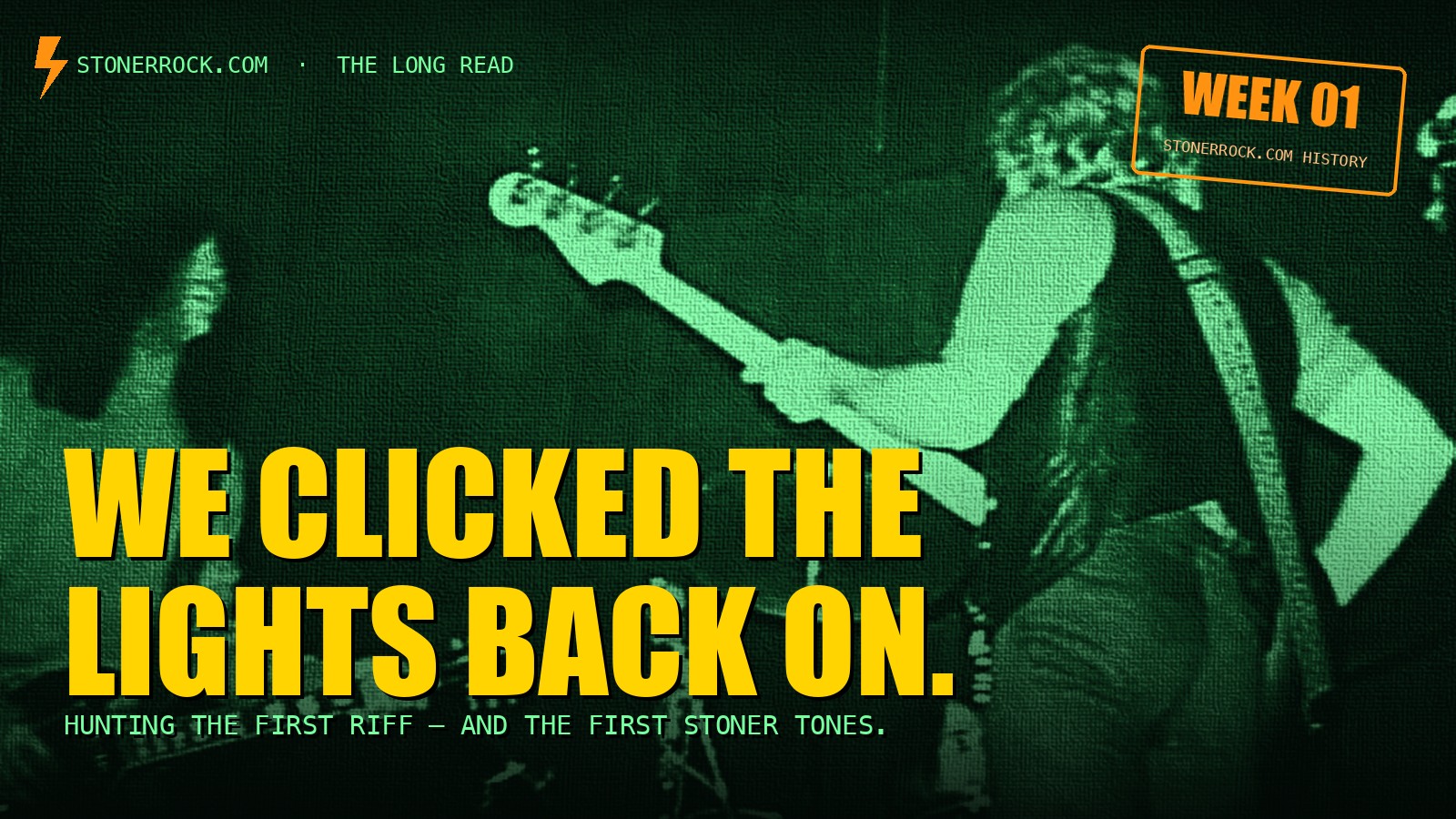
StonerRock.com made it through Week One of the return — the Desk is full, the boards are loud, the rooms are warm. So for our first proper Long Read, we’re not reviewing anybody. We’re going hunting the first riff — and the first stoner tones: an expedition all the way back to the headwaters of the heavy, told the way it should be — loud, in pictures, in rare footage you can press play on right here. Where does it all begin? Let’s go find out together.
Twenty-seven years after this address first opened, we flipped the breaker and the place still works. New reviews, interviews, a Monday roundup, the first K666 stirring, live rooms, and citizens finding their old handles like coats left on a hook. This is the first entry in the ongoing story of the return — and we’re going to mark the weeks as they pass, because a scene that survived the void should count its days out loud. Welcome home. New here? The Desk is where we write it up, the Wire and the Forums are where you shout back, the Jam Rooms are where it goes live, and K666 is the vault. Make yourself at home.
It starts with a London blues band whose guitarists kept breaking the rules on purpose. The Yardbirds ran the greatest guitar apprenticeship in history — Clapton, then Beck, then Page — and in 1966 they put deliberate, singing feedback on a hit record with “Shapes of Things.” When they splintered in ’68, Page swept up the pieces and called them Led Zeppelin. Watch Beck do it outdoors, on French TV, in 1966:
French TV, 1966 · the Jeff Beck era
Click to load · youtube-nocookie · nothing loads till you ask.
Clapton walked out of the Yardbirds and built the template every stoner trio still uses: Cream — three players, a wall of Marshalls, blues stretched past the horizon. Three months later a 23-year-old American sat in with them at the London Polytechnic and rewired the instrument forever. Jimi Hendrix made fuzz and wah and feedback a language. Two clips, back to back — the apprentice’s masterwork and the alien who landed:
1967 · the wah-soaked deep cut that rocks hardest
Click to load.
The Marquee Club, London · March 2, 1967 · filmed for Germany’s Beat-Club
Click to load · official Beat-Club archive.
America answered with weight. New York’s Vanilla Fudge slowed pop songs into churning, organ-heavy monuments — and watch them do it on prime-time Ed Sullivan, of all places. Then San Francisco’s Blue Cheer (yep — the band in our cover photo up top) heard all that volume and simply said more: Vincebus Eruptum (Jan 1968) is ground zero for American proto-metal, the first record that sounds like it’s trying to knock you flat.
The Ed Sullivan Show · 1968 · heavy, slow, on network TV
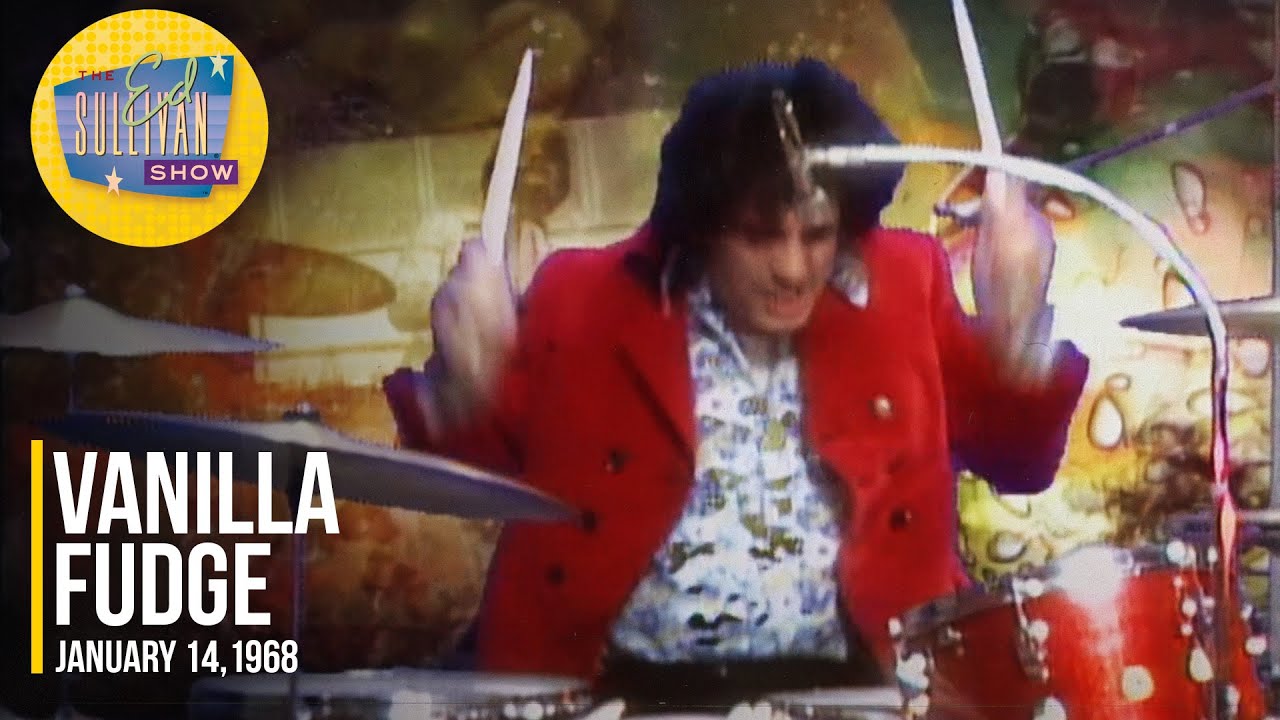
Click to load · official Ed Sullivan Show channel.
American Bandstand · February 10, 1968 · the loudest band alive, on daytime TV
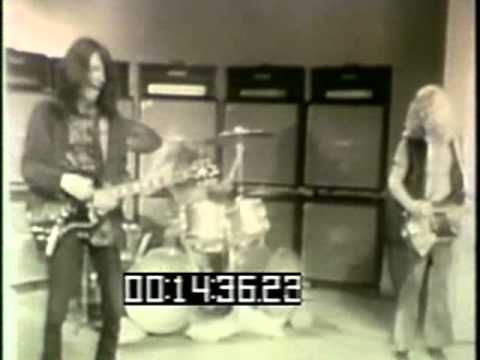
Click to load · watch the Bandstand kids try to process it.
A factory town. A guitarist who lost two fingertips to a sheet-metal press on his last day at work — and played anyway, downtuned, on homemade thimbles. Black Sabbath took all that volume and blues and fuzz and compressed it into something darker, slower, permanent. Black Sabbath dropped Friday the 13th, February 1970; Paranoid that September. Heavy metal had a birth certificate and doom had an address. Here’s the year-one lineup, full power, in Paris:
Paris · 1970 · the first lineup, wide open
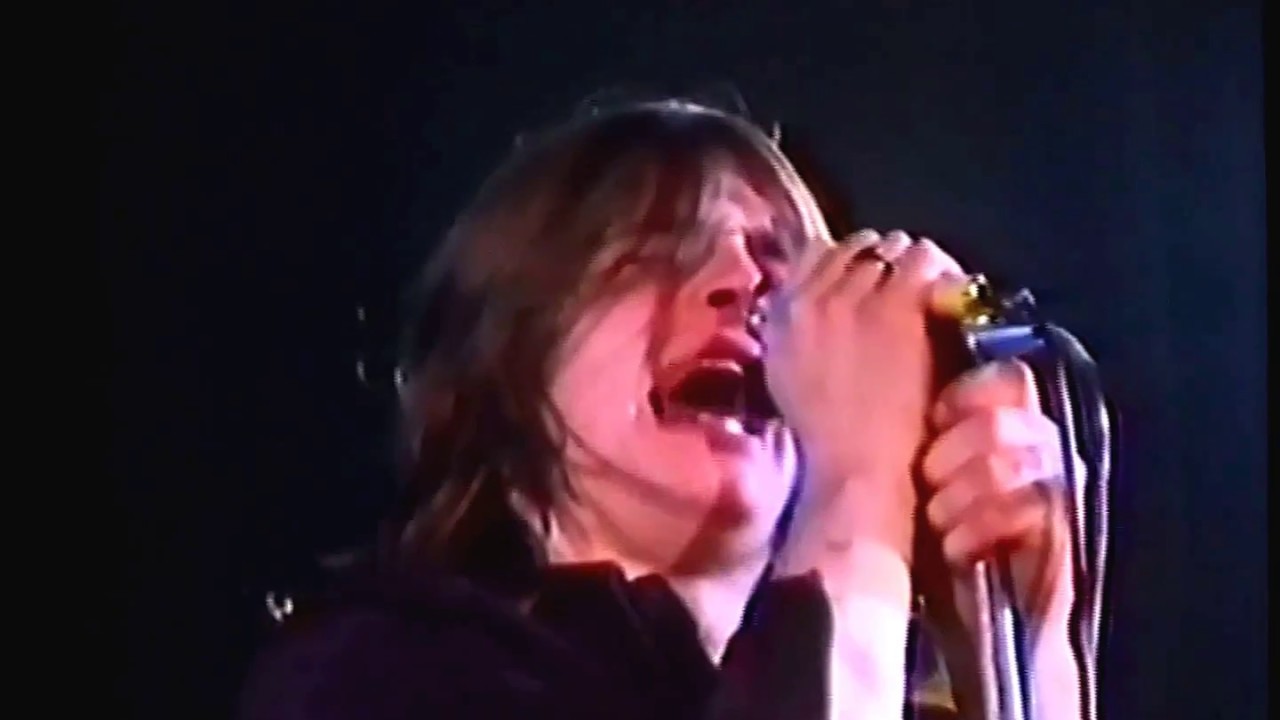
Click to load · remastered Paris 1970.
This is the good part — the bands history skipped and collectors never did. Start with the one that stops hearts: Iron Claw, teenagers from Dumfries, Scotland, playing “Fairies Wear Boots” open-air in Moffat on July 16, 1970 — two months before Paranoid even came out. This footage was posted by the band’s own bassist. It is one of the rarest things in all of heavy music:
Open-air, Moffat, Scotland · July 16, 1970 · two months before Paranoid shipped · uploaded by bassist Alex Wilson
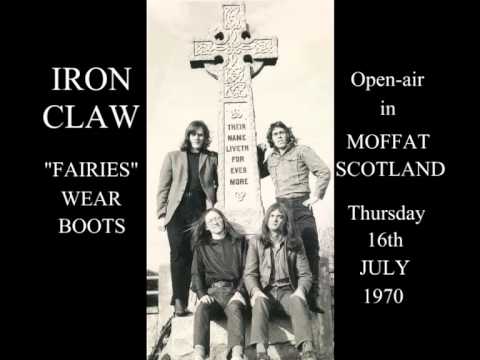
Click to load · from the band’s own archive.
Then the heavy spread like groundwater. Cactus — the thunderous Vanilla Fudge rhythm section reborn — tore the Isle of Wight apart in August 1970. New York’s Mountain gave Leslie West’s molten tone a national anthem in “Mississippi Queen.” England’s Wicked Lady cut outlaw biker doom nobody heard for decades; Brooklyn’s Sir Lord Baltimore earned a 1971 Creem review that helped put “heavy metal” in print; Stockholm’s November started the Scandinavian heavy tradition this scene still runs on.
Isle of Wight Festival · August 28, 1970 · Appice & Bogert, full boogie-metal overdrive
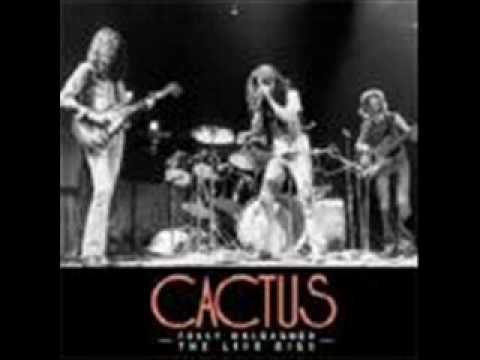
Click to load.
Live, 1970 · Leslie West’s tone, the size of a building
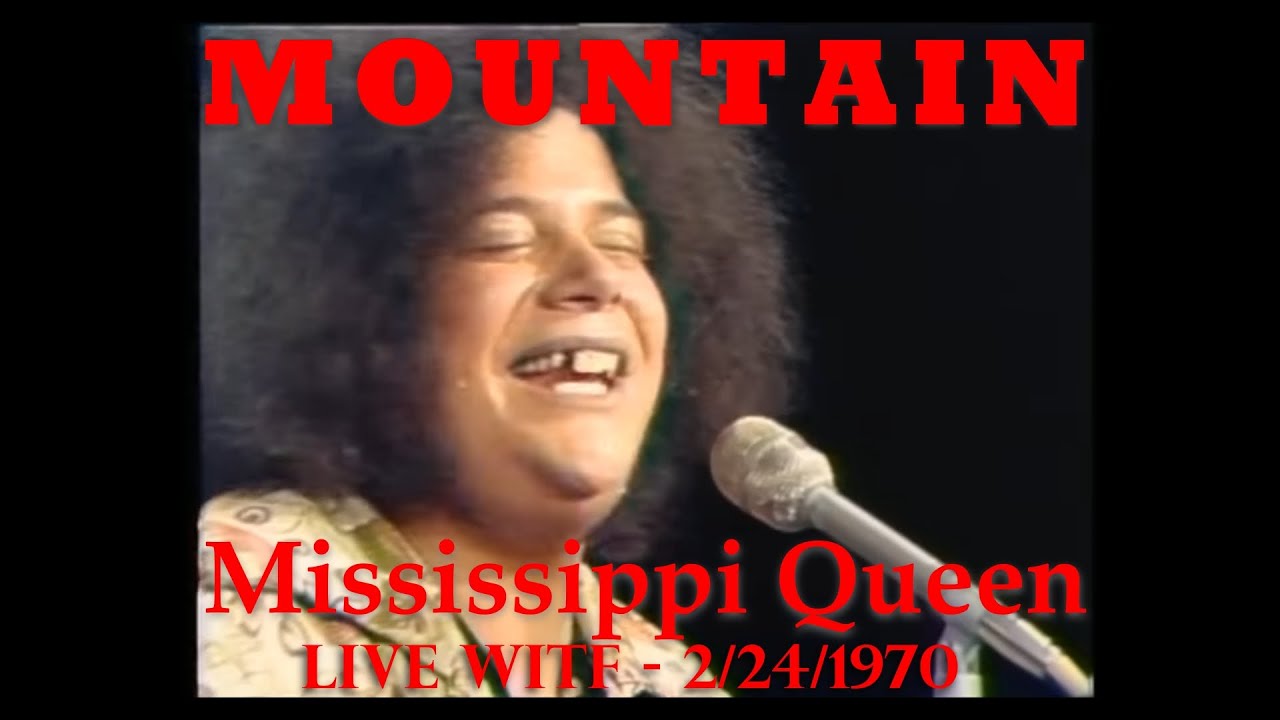
Click to load · rare remastered broadcast.
And the holy grail: Randy Holden walked out of Blue Cheer, bolted sixteen Sunn stacks into a rented opera house, and cut Population II in 1969. Released in 1970 on the tiny Hobbit Records, it was barely pressed, barely heard — the flop bankrupted Holden and ran him out of music for twenty-five years. Fifty years later, RidingEasy Records — the LA label behind the Brown Acid excavations — licensed it straight from Holden, remastered it, and in 2020 gave it its first-ever proper and first-ever digital release. Press play on “Fruit & Icebergs” and tell us doom wasn’t already fully formed:
Rec. 1969 · orig. 1970, Hobbit Records · official remaster & stream, RidingEasy Records, 2020 · “Fruit & Icebergs” at 6:18
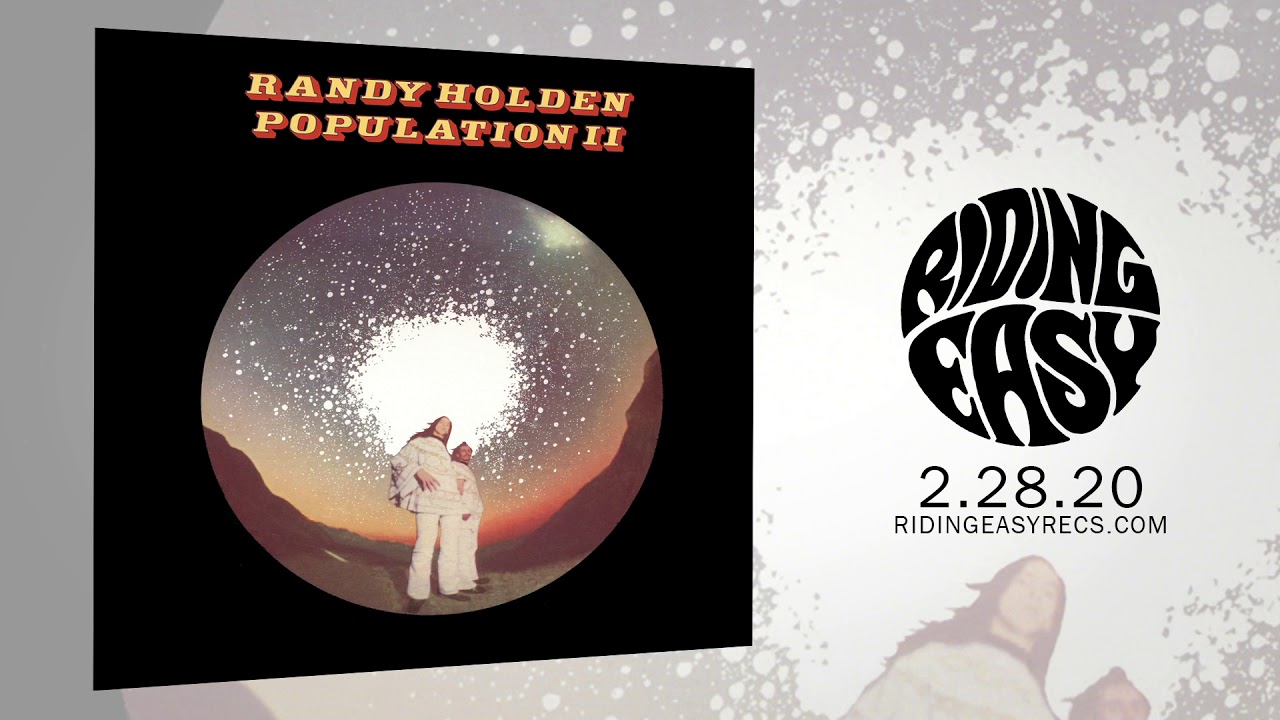
Click to load · official label upload — the artist gets counted.
Honest answer, after the whole drive: it starts where you walked in. For some it’s that rain-and-bell opening of “Black Sabbath.” For some it’s Blue Cheer daring daytime TV to turn them down. For some it’s a worn cassette of Sky Valley in a borrowed car, decades after the sixties did their work. One spring, a thousand swimming holes — and every head here dove in at a different bend of the river.
That’s not a dodge. That’s the whole reason this place exists. StonerRock.com was never a museum — it’s the room where the argument lives. The lights are on. The argument is open. Same as it ever was.
| 1963 | The Yardbirds | feedback, fuzz, and the three-guitarist apprenticeship |
| 1966 | Cream · Hendrix | the power-trio blueprint; the alien lands in London |
| 1967 | Vanilla Fudge | pop songs slowed into organ-heavy monuments |
| 1968 | Blue Cheer · Iron Butterfly | Vincebus Eruptum; the 17-minute trance |
| 1969 | Iron Claw · November · Randy Holden | Scotland, Sweden, sixteen Sunn stacks |
| 1970 | Black Sabbath | Feb 13 & September — the birth certificate |
| 1970 | Cactus · Mountain · Leaf Hound | the first heavy wave crests |
Now it’s your turn. We opened a thread on the Wire for the only question that matters: where does stoner rock start for YOU? First record that rewired you, first show that scared you, the exact bend where you jumped in. No wrong doors, no gatekeeping — that’s the other house rule.